[Source]
I told myself I want to try Henna before the end of the summer, which for me means by the end of this month. So I've been researching more & more about Henna until I came across this great article on Henna. This answered all my questions I had concerning Henna, so I know it will answer a lot of questions out there. It is lengthy, but I did my best to highlight certain things that get right to the point for a quick read. I will be ordering these products soon & will definitely be doing a video tutorial on my whole Henna experience. Should be interesting.
By: Maureen Jones of EveryDay Mehndi and Body Art Central
If you want healthy hair that is strong with beautiful color and have been looking for a safe and natural way to accomplish this, it is time to become acquainted with henna.
Henna powder comes from the processed leaves of the henna bush. Typically, "henna" refers to the leaves or powder from the leaves of the henna bush. Henna is a natural plant. The botanical name for henna is Lawsonia Inermis. Henna, Lawsonia Inermis, is one of many natural dyes. The pigment found in the leaves of the henna bush releases as a dye when added to a liquid such as water or an acidic liquid such as lemon juice. What separates henna from many other natural dyes is its ability to stain the skin and hair more effectively and for longer periods of time than most natural dyes are capable of doing.
The henna powder purchased in the US is imported from other parts of the world. Henna is processed by manufacturers who purchase huge quantities of henna grown on henna farms. The leaves are harvested from the henna bushes and allowed to dry. These leaves are then taken to factories where machines grind them into powder. Most often, henna powder is created by blending a number of types of henna leaves from different areas of a country or from different countries and from different types of henna plants in order to produce the henna powder the manufacturer desires. After grinding, the henna is then sifted. The sift of henna that can be obtained can range from poorly sifted to ultra finely sifted. Poorly sifted henna will contain visible pieces of leaf and veins. Ultra finely sifted henna powder is talc like and contains no leaf and vein pieces. The sift is often more important to people who use henna for body art. However, more and more, people using henna for hair are enjoying the benefit of using finely sifted henna powder for their hair. The finely sifted henna powder used for hair creates a much smoother paste and leaves no leaf and stem parts in the hair that become a problem to remove.
When the henna powder has been sifted, it is then packaged for the market. It is then imported into countries like the US and made available for purchase.
Henna is spelled and pronounced in many different ways depending upon the specific region of the world. Henna has many uses that are also closely connected to the different parts of the world and the people of that location who are using it. In the Pakistan, Iran, Yemen, Morocco, India…the Middle East, South East Asia and Northern Africa, there is a long history and tradition of henna use. Henna is applied to the hands, feet and hair in order to keep cool in very hot climates. Henna may be given as part of a dowry. The night before the wedding the bride and sometimes the bride and groom are designed with henna. For religious observance and celebration, henna is often brought out. Textiles are dyed with henna. And hair is dyed and conditioned with henna.
What makes henna beneficial to hair?
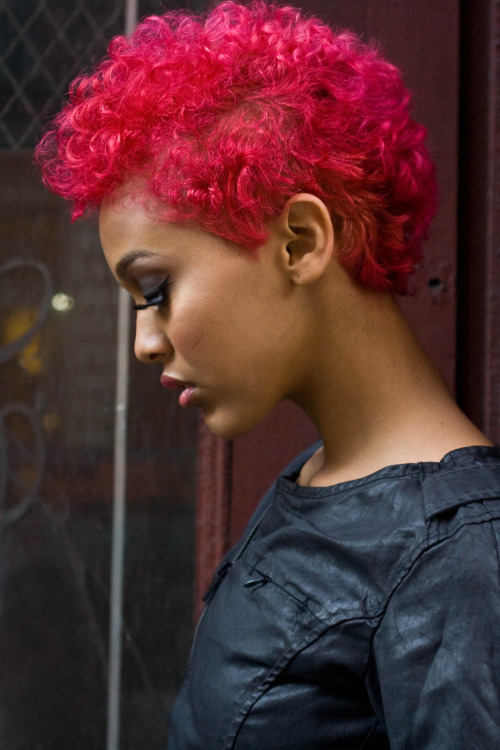
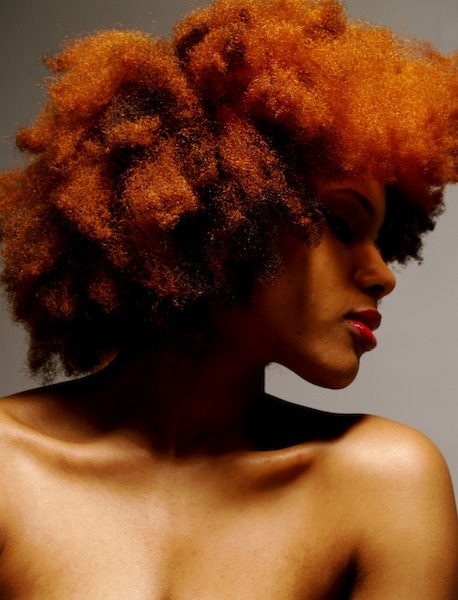
Henna provides two types of benefit to the hair simultaneously. Henna will condition and color the hair. As a conditioner, henna strengthens the hair, is an anti-fungal and reduces the occurrence of dandruff, conditions the scalp, slightly loosens the curl pattern, helps to detangle and make hair more manageable and provides a natural and healthy sheen and shine to hair. As a natural source of color, henna colors the hair red - not a bright cherry red, but rather a beautiful and natural red for hair.
Henna does not color hair like synthetic dyes. Henna coats the hair shaft with a transparent red coloring. As applications of henna are repeated, the color deepens. Henna does not and cannot lighten hair. However, it provides red and reddish highlights on dark hair. Henna on black and dark brown hair will eventually become dark auburn to burgundy/black with red highlights in sunlight. Henna on blonde hair can shift the color to a natural red. Henna on red hair will make the hair a deeper richer red. Henna on brown hair can range from a natural red to auburn to dark auburn depending upon the shade of brown. Henna on white hair will make the hair, orange/red to natural red to deep red.
A benefit to using henna is that it will both condition and color your hair in a way that is both natural and safe.